Two smooth balls A and B, each of mass m and radius R, have their centres at (0, 0, R) and at (5R, – R, R) respectively, in a coordinate system as shown. Ball A, moving along positive x axis, collides with ball B. Just before the collision, speed of ball A is 4 m/s and ball B is stationary. The collision between the balls is elastic.
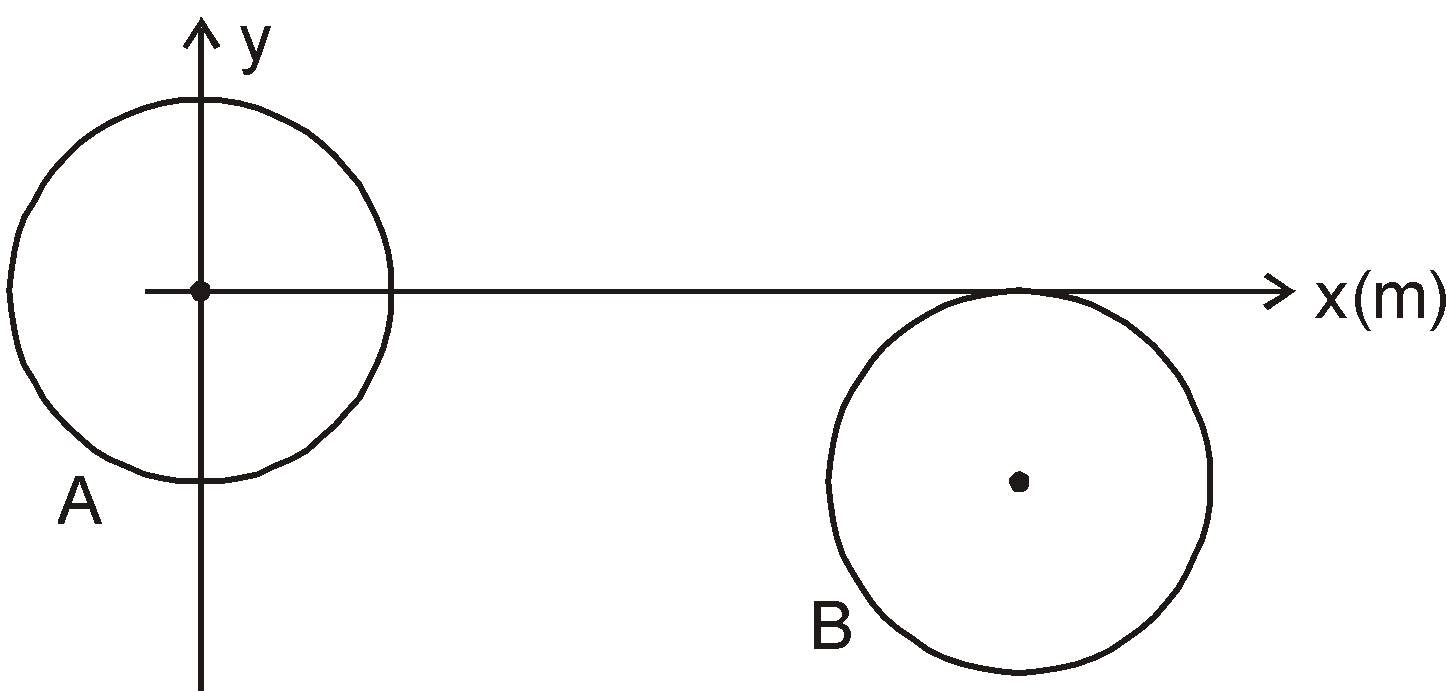
(i) Velocity of the ball A just after the collision is :
Text Solution
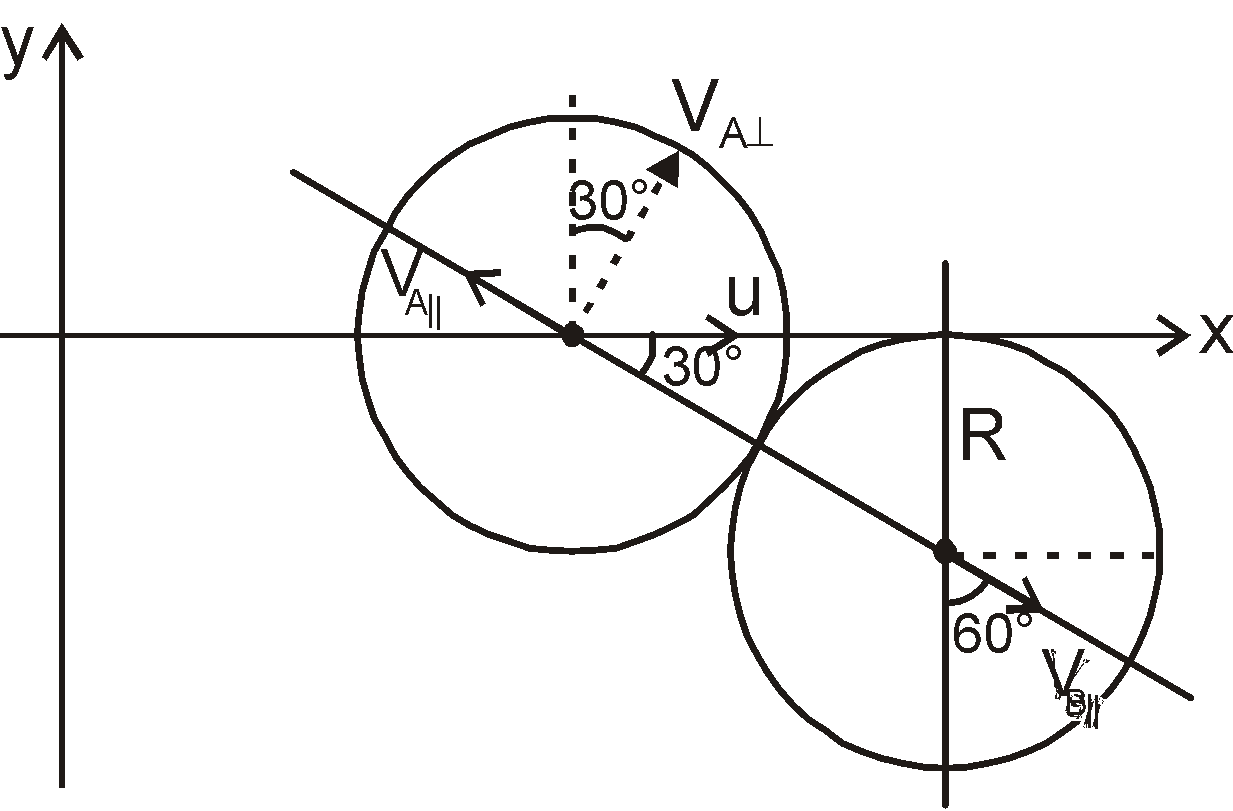
Verified by Experts(i) During collision, forces act along line of impact; (ii) Using impulse; (iii) Suppose V 2 is velocity of ball B along the line of impact and V 1 is velocity of ball A along the line of impact, after the collision, as shown
(i) During collision, forces act along line of impact. As collision is elastic and both the balls have same mass, velocities are exchanged along the line of impact. Therefore ball B moves with velocity V B|| , that is equal to u cos 30°. Ball A moves perpendicular to the line of impact with velocity V A ⊥ = u cos60°. Along the line of impact, ball A does not have any velocity after the collision. Therefore velocity of ball A in vector form after the collision
= V A ⊥ cos60°i + V A ⊥ cos 30°j
= (u cos 60°) cos60°i + (u cos 60°) cos 30°j
= 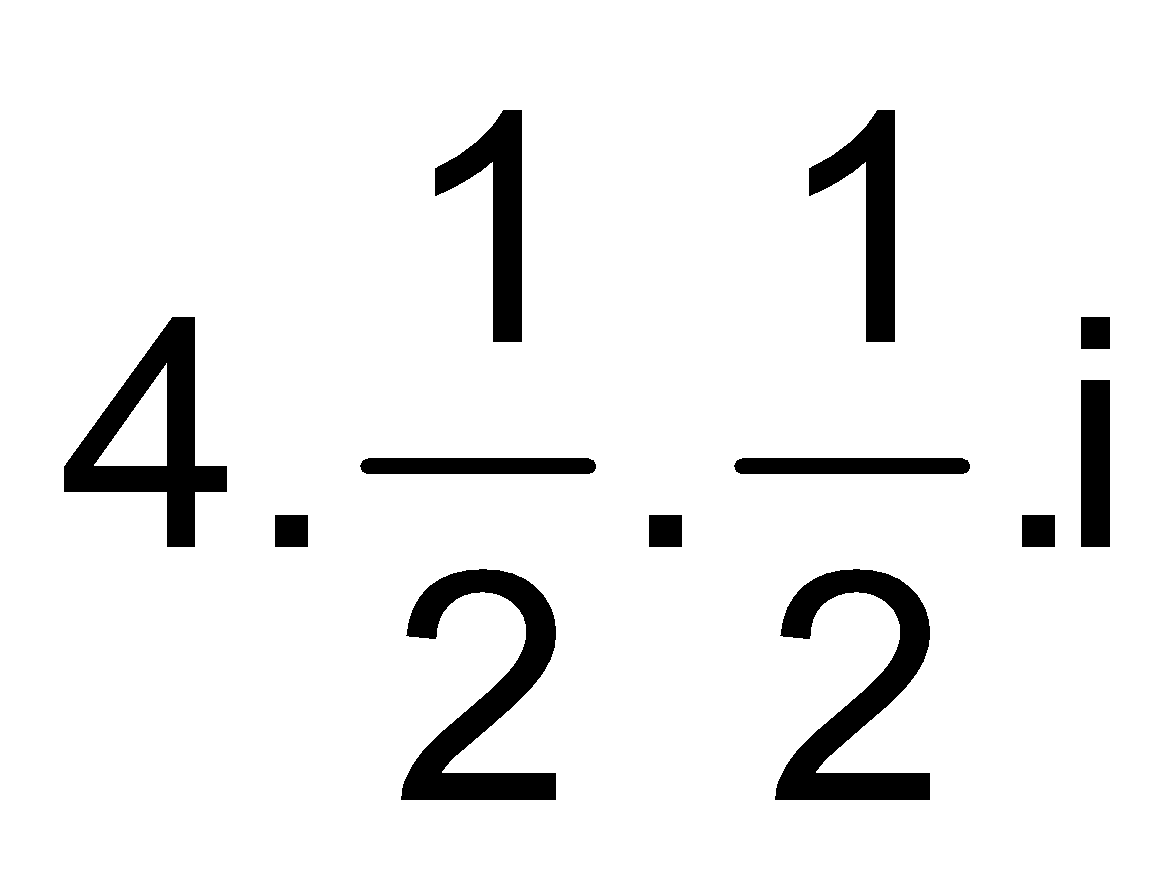 +
+ 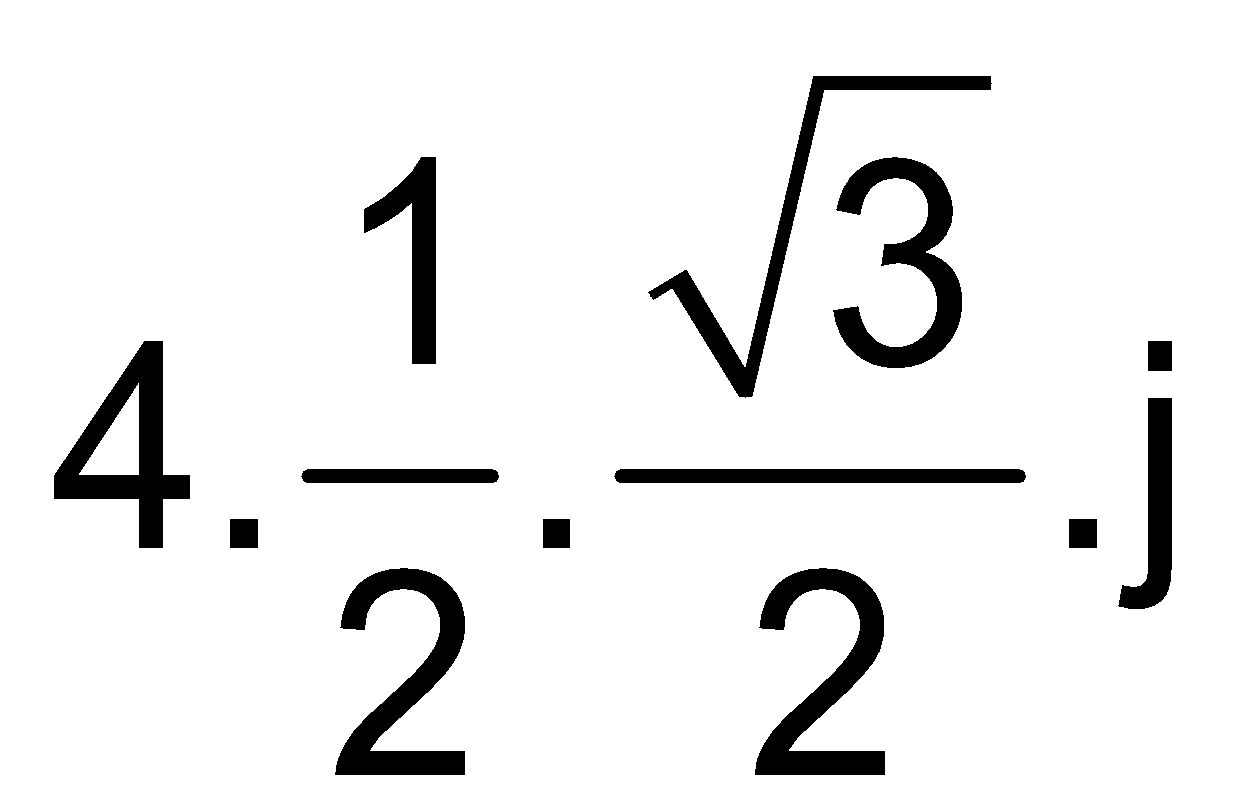 =
= 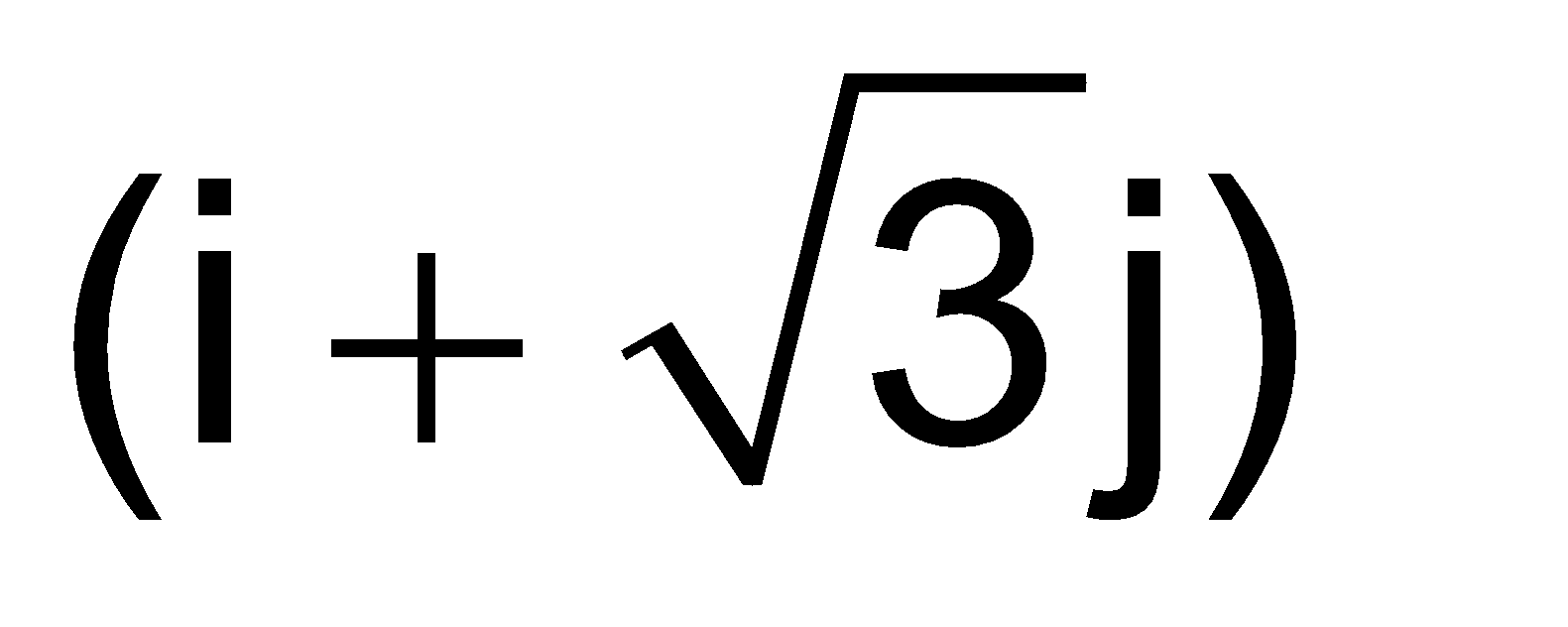 m/s
m/s
(ii) Using impulse-momentum equation for ball B
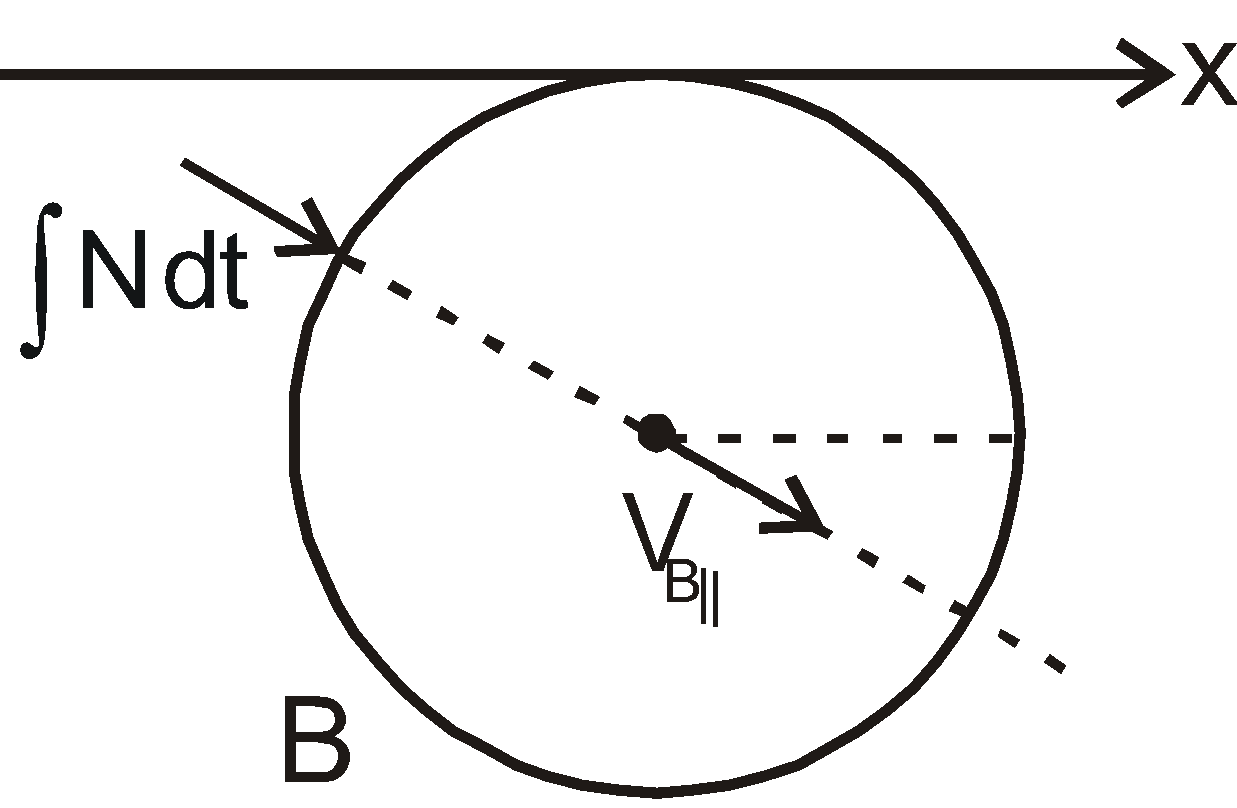
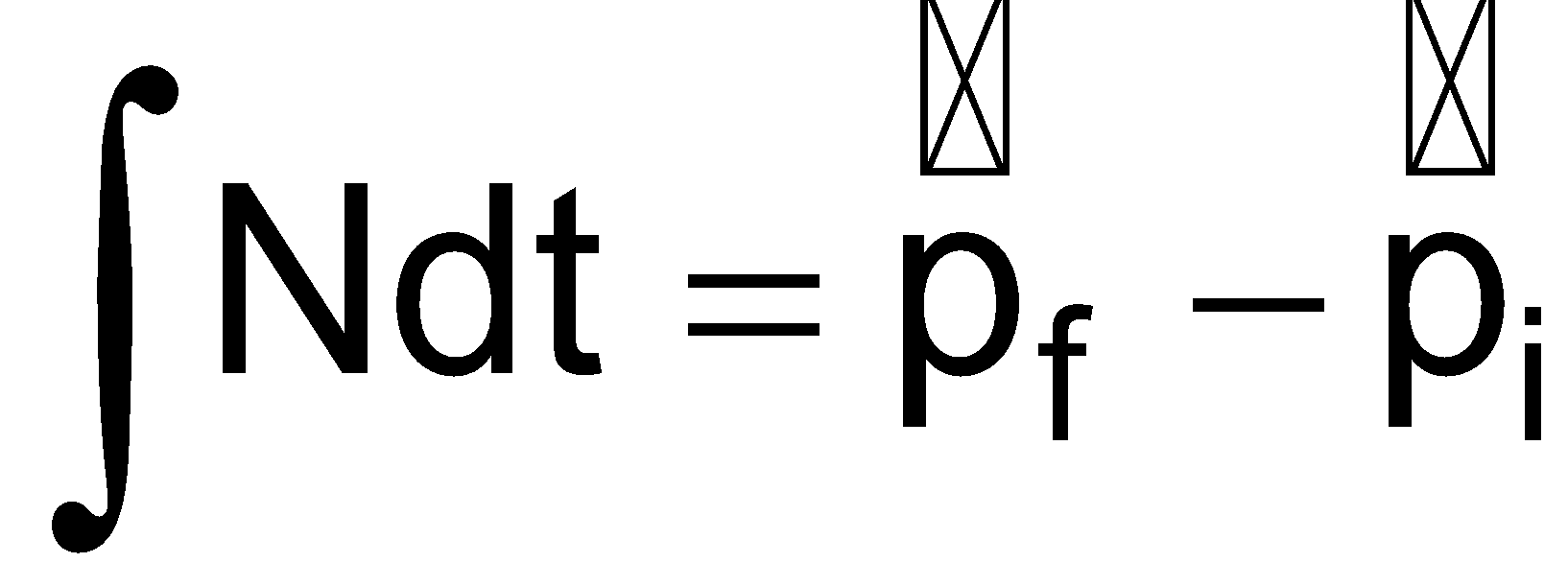 and as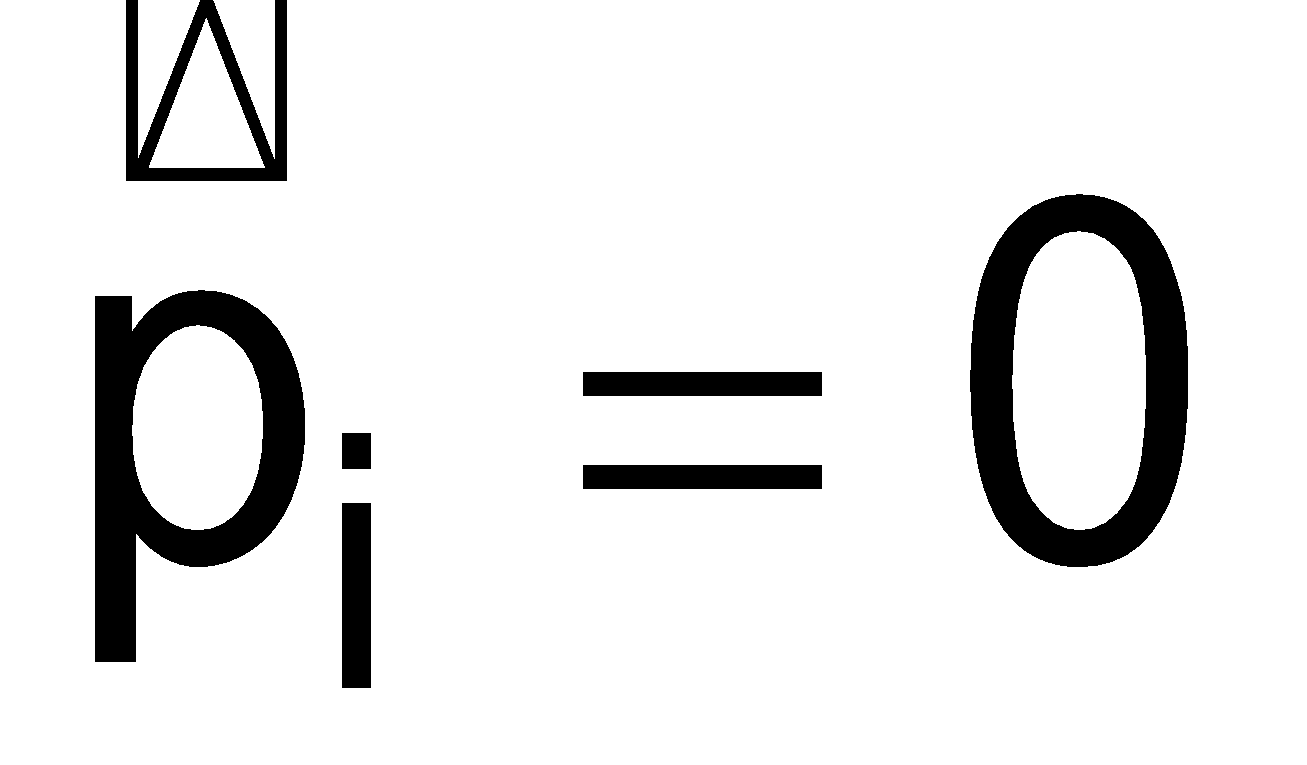
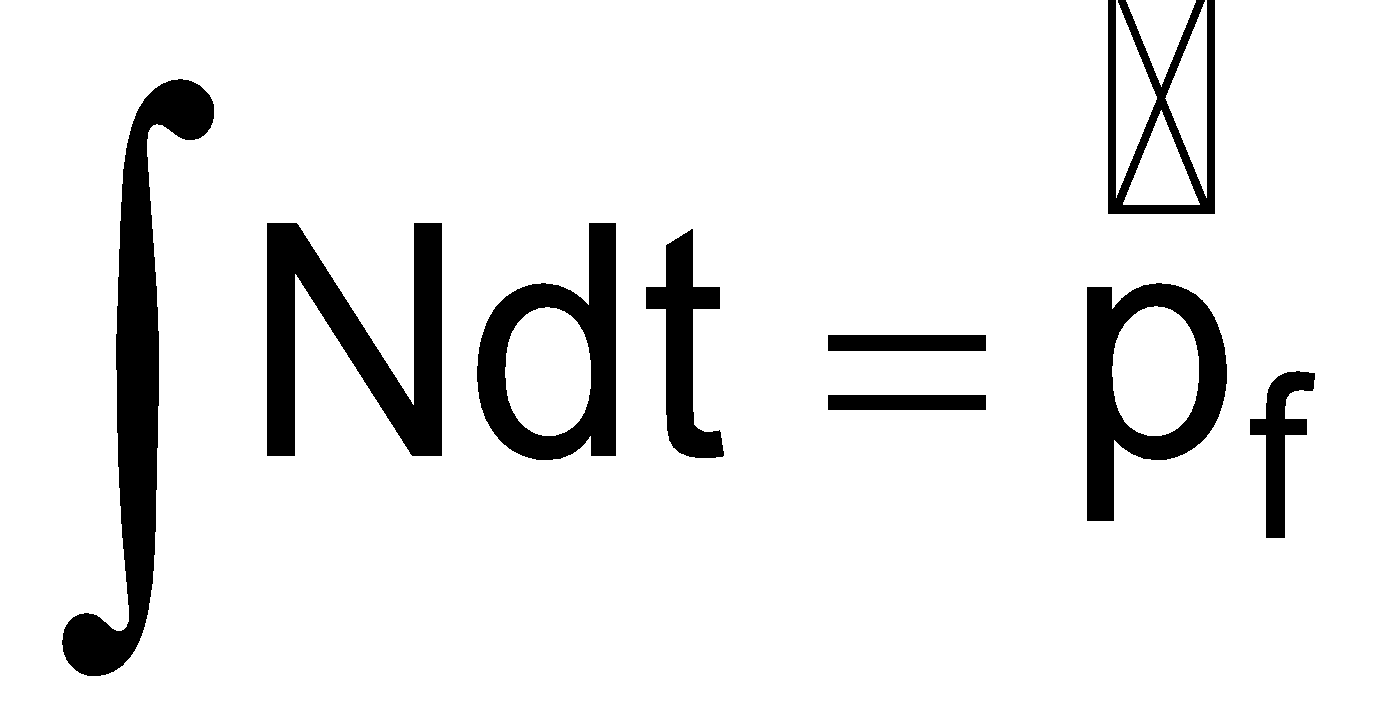
= (mu cos 30°) cos 30 i – (mu cos30°) cos 60° j
= 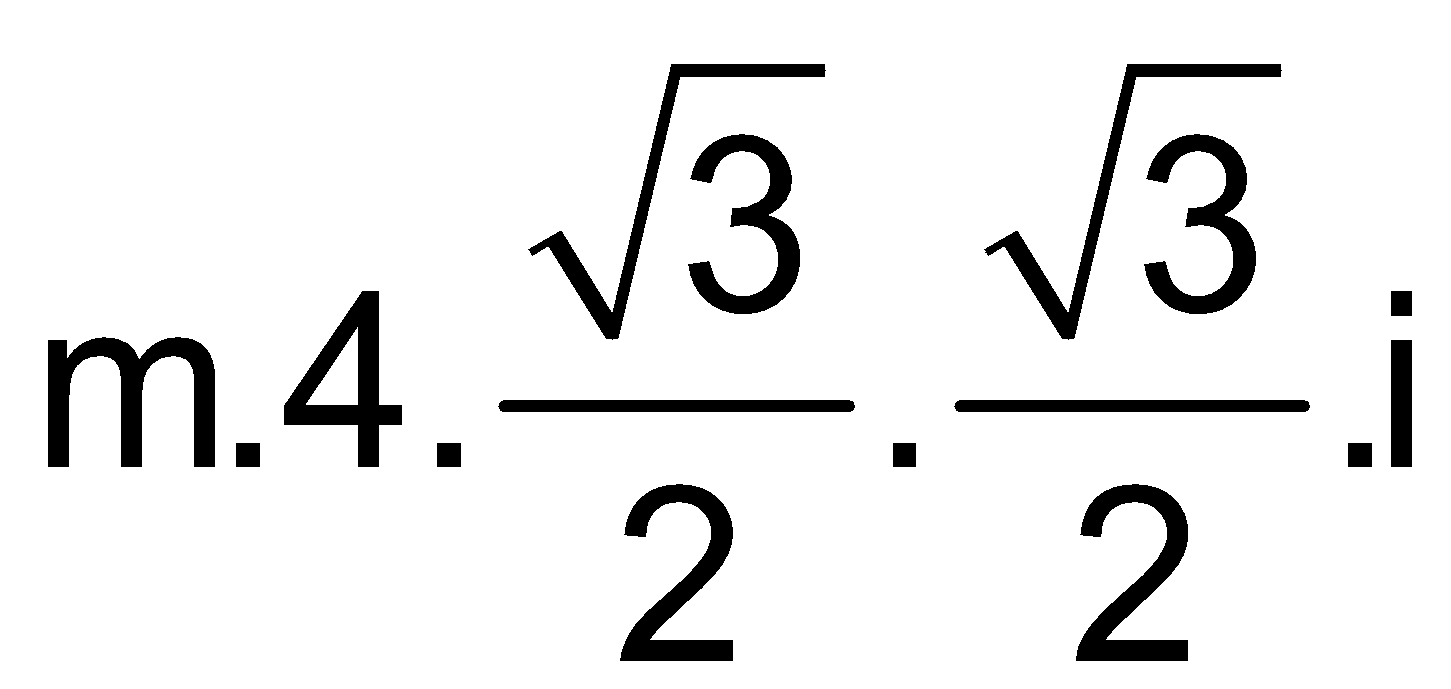 –
– 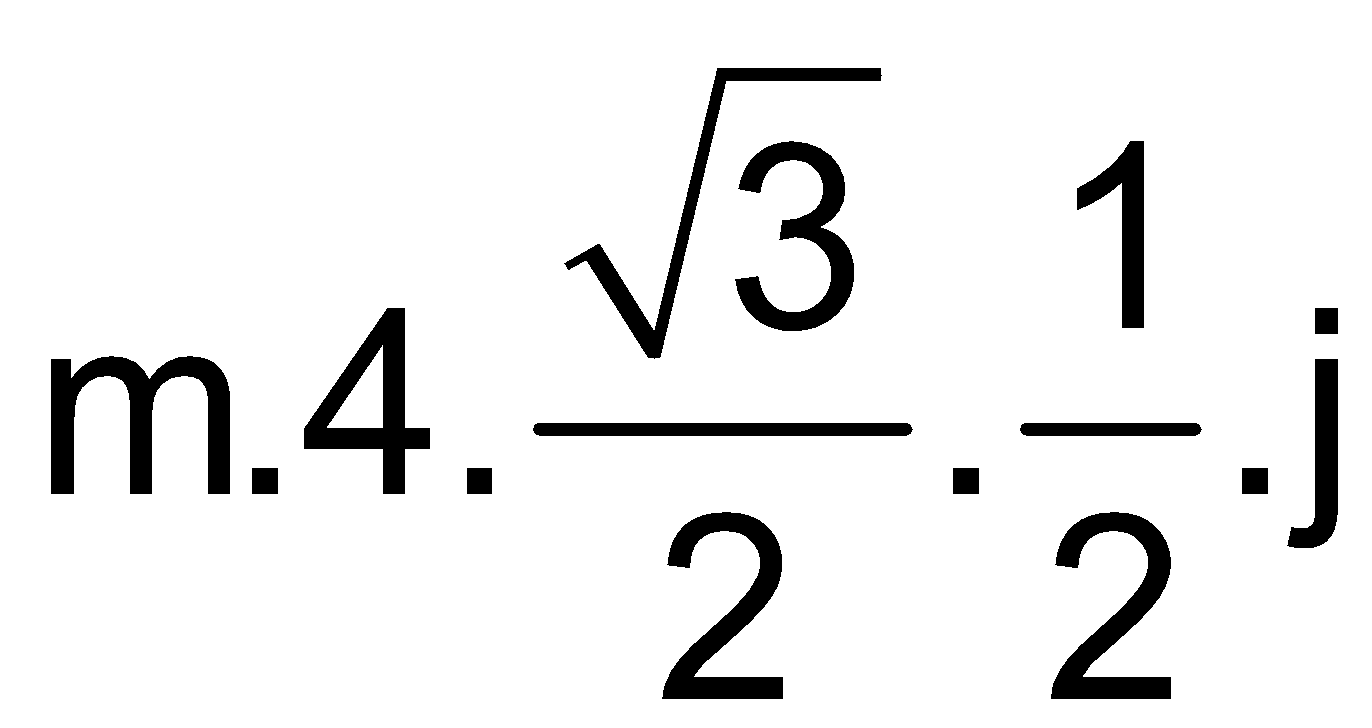
= (3 m i – 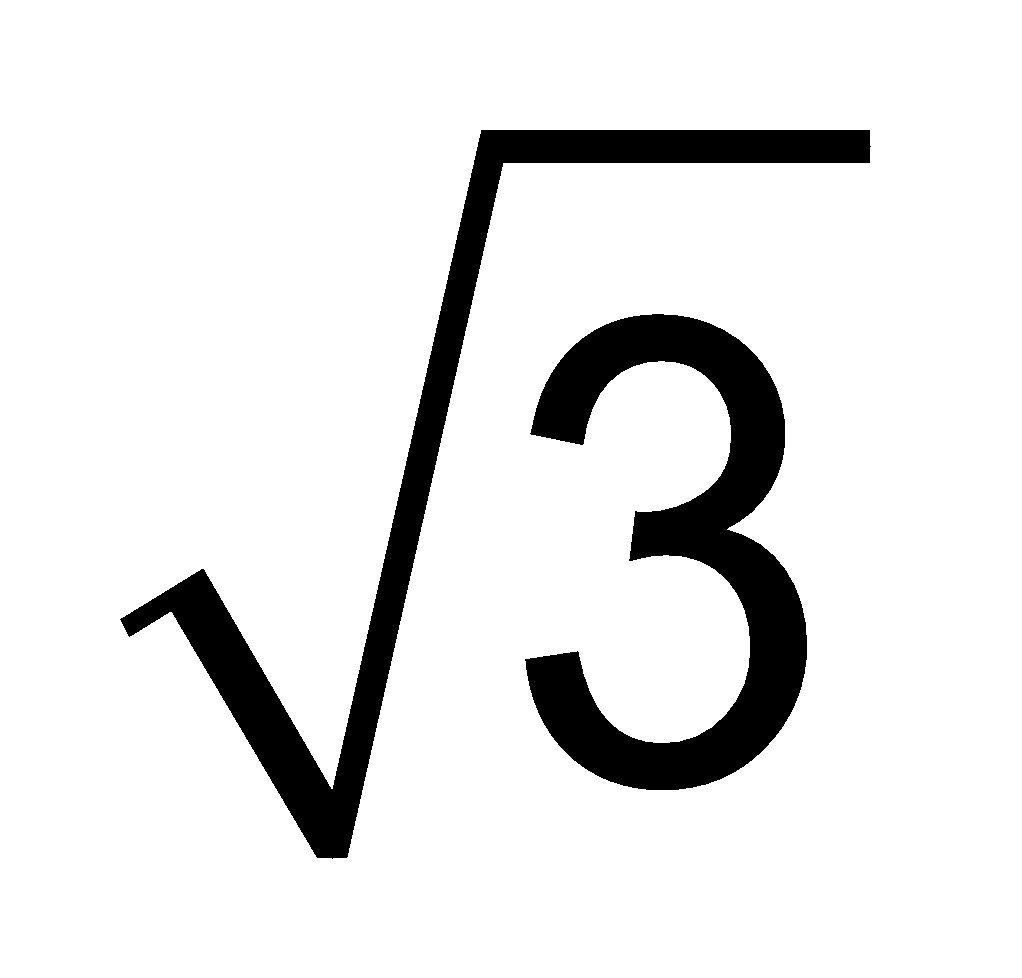 m j) kg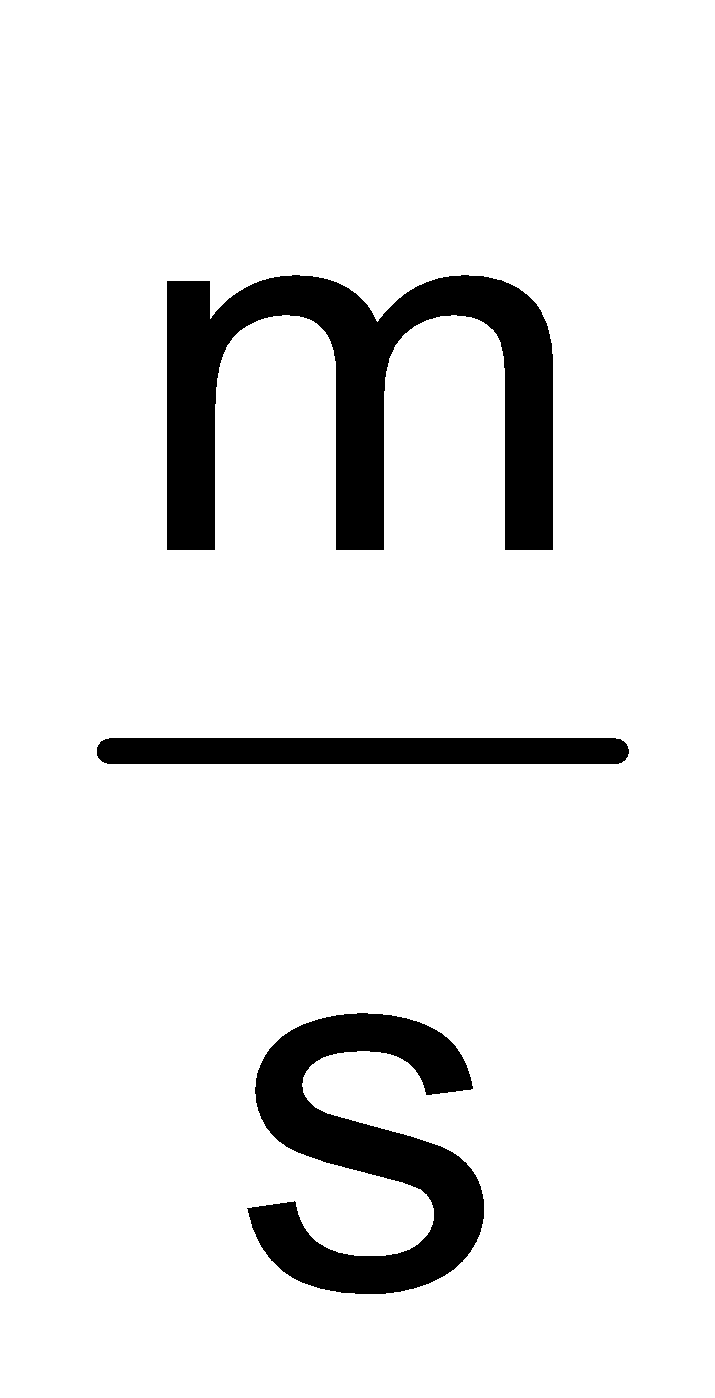
(iii) Suppose V 2 is velocity of ball B along the line of impact and V 1 is velocity of ball A along the line of impact, after the collision, as shown.
Then 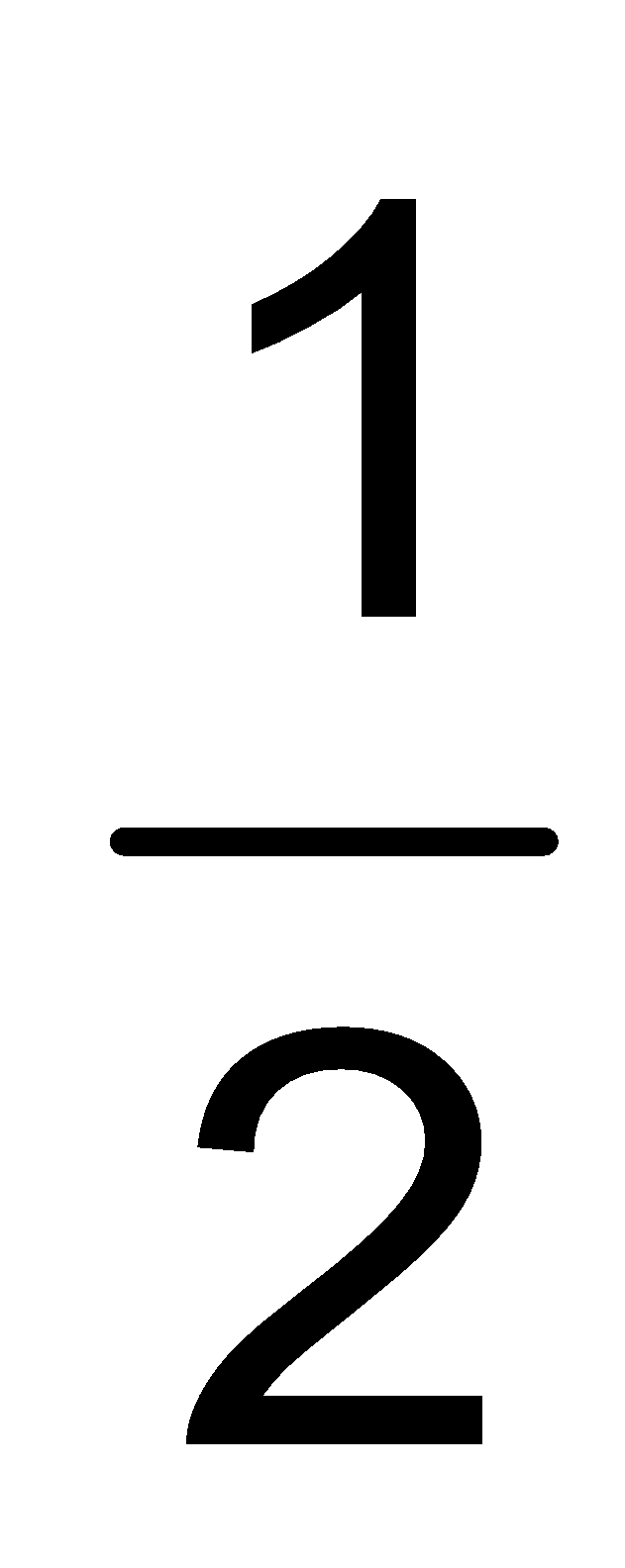 (Velocity of approach) = Velocity of separation
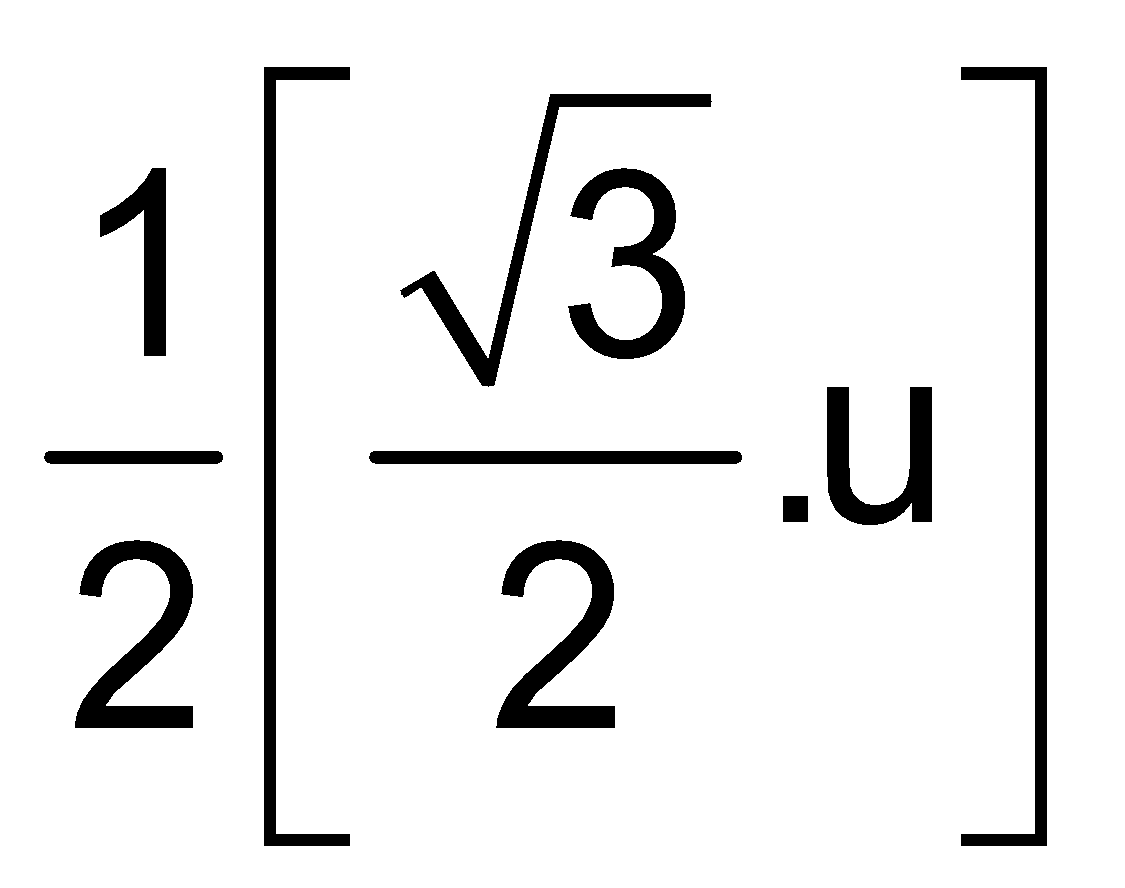 = V 2 – V 1 .... (1)
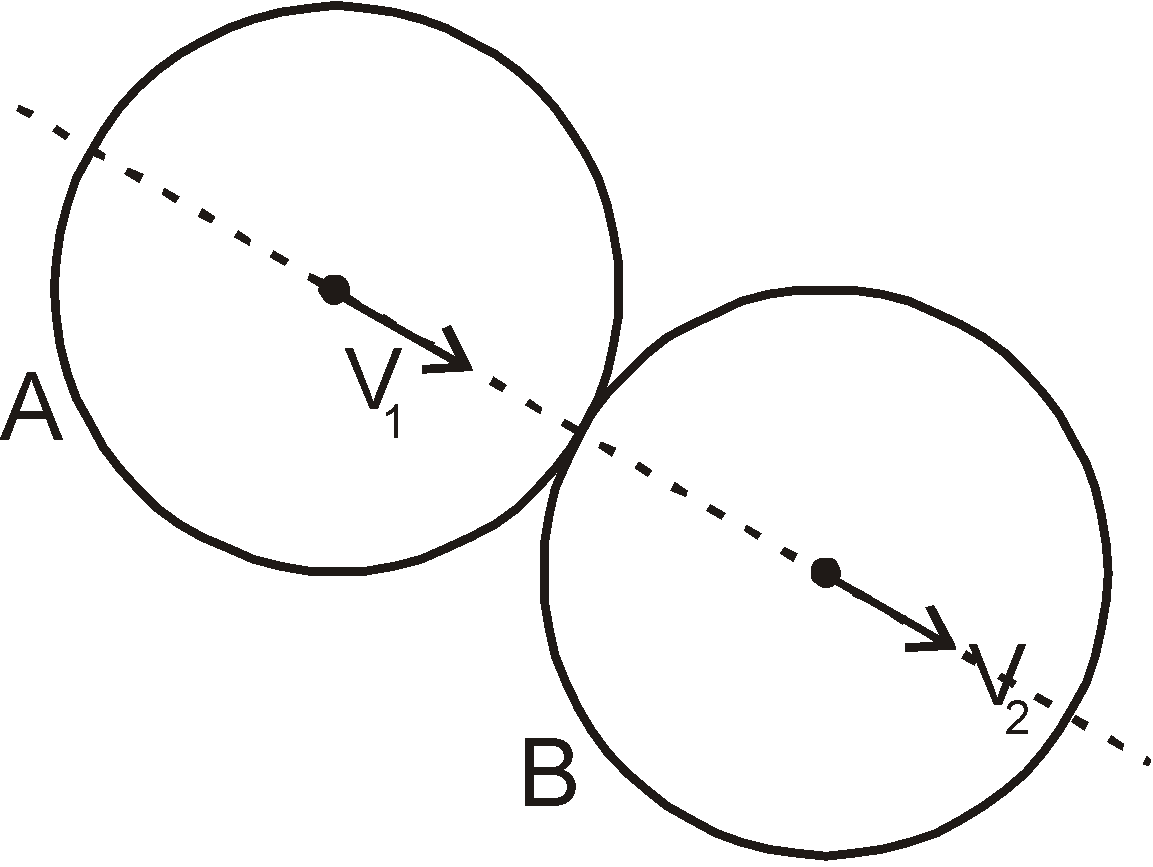
Conserving momentum along the line of impact
m. u 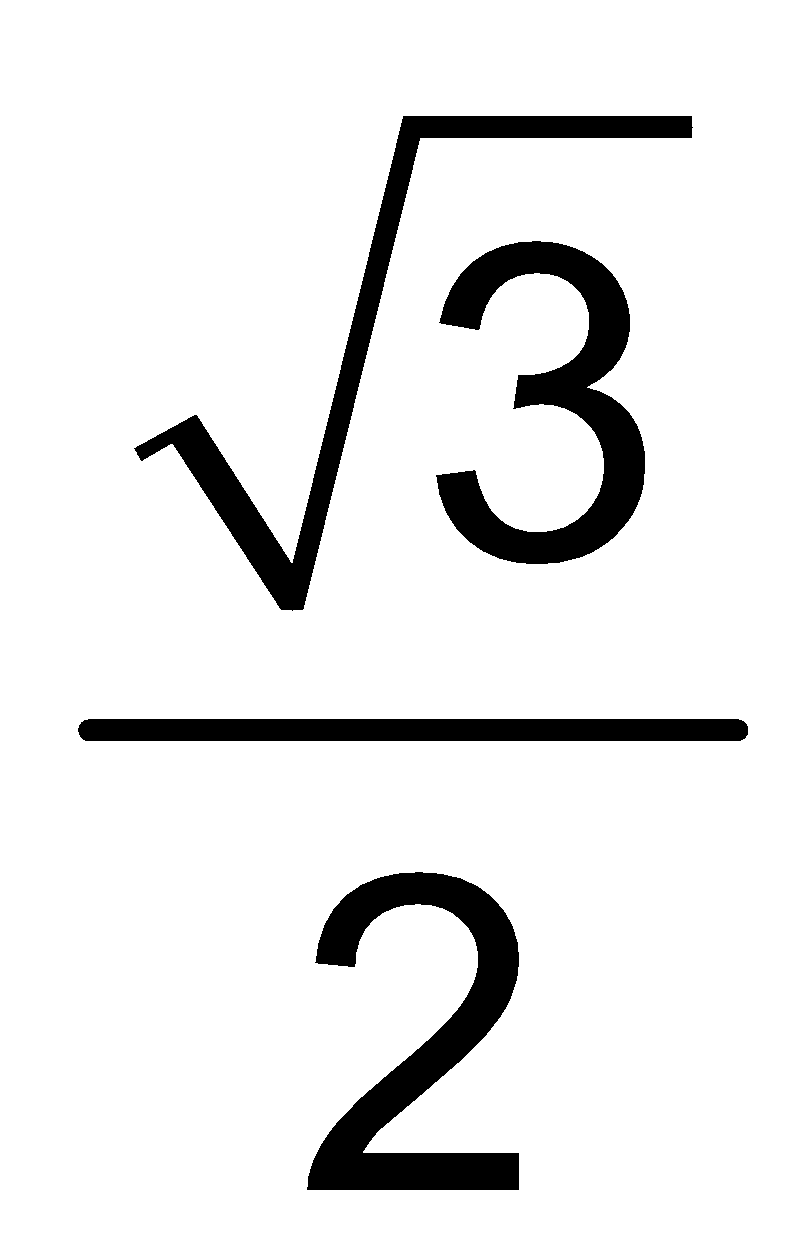 = m. V 2 + mV 1 .... (2)
Solving and using u = 4 m/s
V 2 = 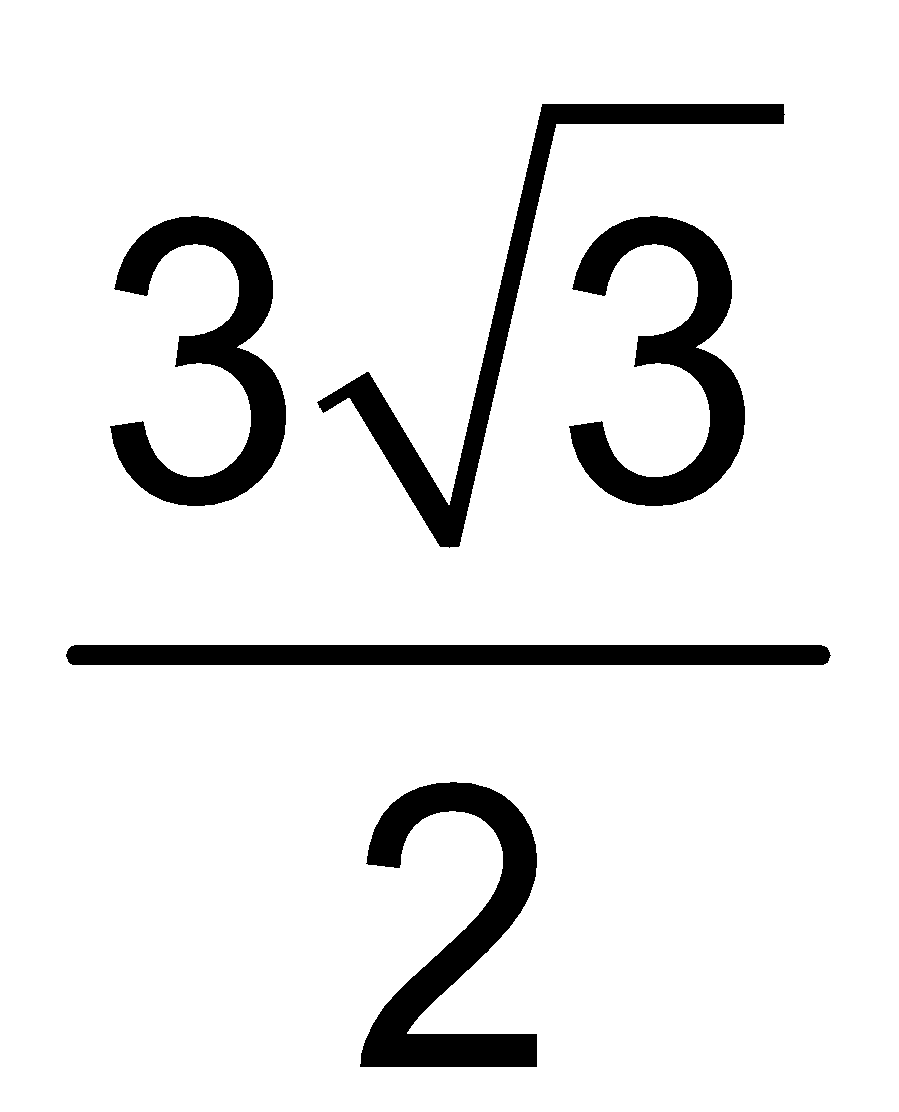 m/s
m/s
 =
= 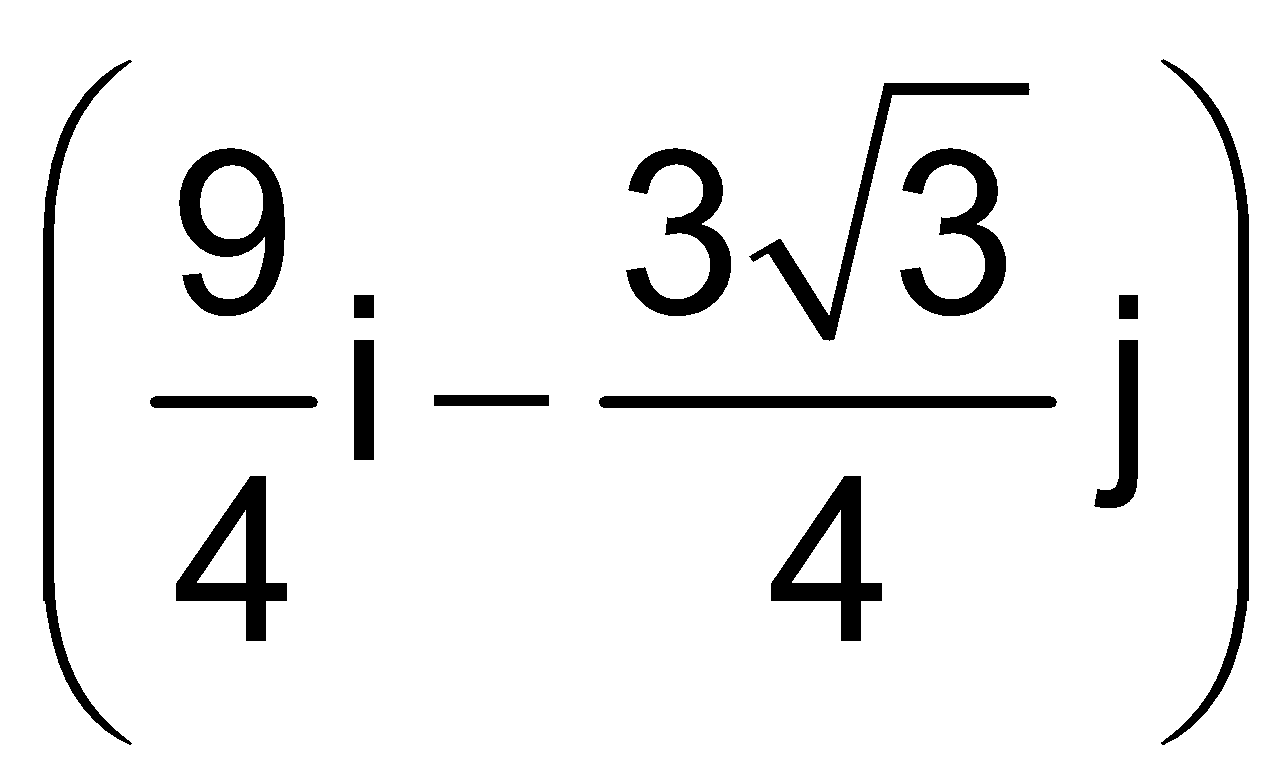 m/s
m/s
Prepare Smarter with CGP Edu
Get practice questions, solutions, and test series in one place.
Write a Review
Share your experience with this question and solution.
Commentary
Send your comment, doubt, correction, or feedback to admin.
Similar Questions
Explore conceptually related problems